


Introduction to Sourcing from China

Aerial view of the world’s busiest port, Shanghai, China
Is China Sourcing a Good Idea?
- Lower manufacturing costs
- Wide range of products and suppliers
- Advanced manufacturing capabilities
- Well-developed export infrastructure
- Potential for business growth and scalability
Benefits of Sourcing From China for Your Business
- Cost Savings: Reduce production costs by up to 30-50% compared to domestic manufacturing.
- Product Variety: Access to millions of products across various industries.
- Manufacturing Expertise: Leverage China’s decades of experience in producing goods for global markets.
- Scalability: Easily scale production as your business grows.
- Innovation: Tap into China’s rapidly advancing technological capabilities.

A sourcing warehouse in China
How to Overcome Major Problems when Sourcing in China
Quality Control
- Implement strict quality assurance processes
- Conduct regular factory audits and product inspections
Communication Barriers
- Use professional translation services
- Hire bilingual staff or a sourcing agent
Intellectual Property Protection
- Register your trademarks and patents in China
- Use detailed contracts and non-disclosure agreements
Logistics and Shipping
- Partner with experienced freight forwarders
- Understand Incoterms and customs regulations
Cultural Differences
- Learn about Chinese business culture and etiquette
- Build strong relationships with suppliers through regular communication
Best Practices for Successful China Sourcing
- Develop a clear sourcing strategy aligned with your business goals
- Invest in building strong supplier relationships
- Stay informed about market trends and regulatory changes
- Continuously evaluate and optimize your supply chain
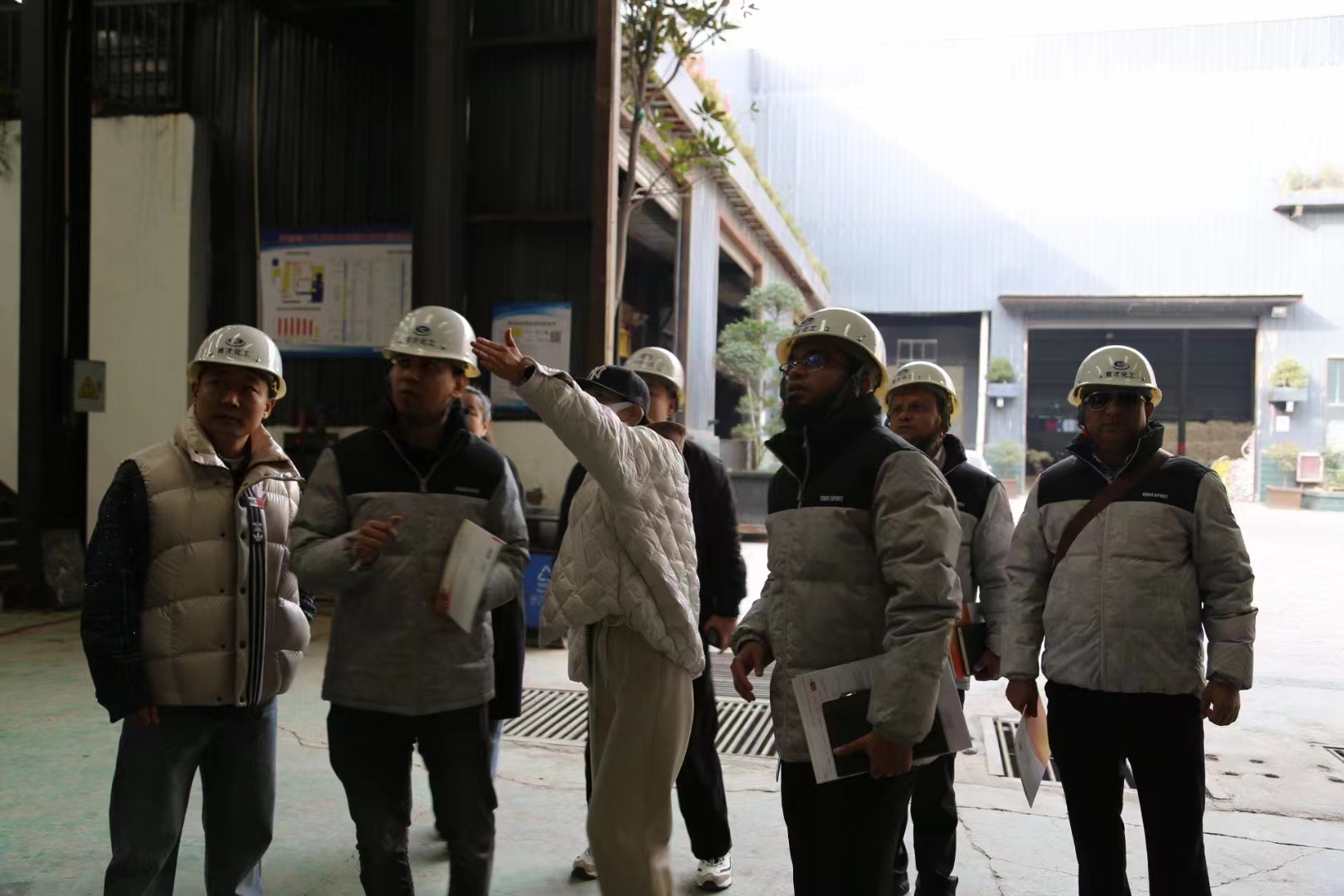
Bangladeshi customers visiting CAMAL’s factory
How to Start Sourcing from China
How to import from China step by step?
Understand Import Regulations
- Research Harmonized Tariff codes for your products
- Check for import restrictions or quotas
- Investigate any anti-dumping sanctions or trade war impacts
Calculate Total Costs
- Factor in customs fees and tariffs (typically 20-30% of product value)
- Consider shipping and logistics costs
- Account for potential currency fluctuations
Develop Clear Product Specifications
- Define materials, dimensions, and critical functions
- Create detailed CAD drawings if applicable
- Specify packaging requirements
Set Up Communication Channels
- Install Chinese messaging apps like WeChat, QQ, and Momo
- Consider hiring a translator or bilingual staff member
How to choose a product or service to sell
Identify Profitable Niche Products
- Use market research tools to find trending items
- Analyze competition and potential profit margins
- Consider products with technical specifications for better quality control
Explore Online B2B Platforms
- Utilize Alibaba, Global Sources, and Made-in-China
- Be cautious of supplier ratings and verify credentials independently
Attend Trade Shows
- Visit the Canton Fair, the largest trade fair in China
- Network with potential suppliers and see products firsthand
Consider Hiring a Sourcing Agent
- Research reputable agents like Jingsourcing, LeelineSourcing, or Sourcing Nova
- Evaluate their expertise in your product category and negotiation skills

A Chinese company having a meeting
How to conduct market research in 6 steps
Analyze Competitor Products
- Order samples from multiple suppliers
- Compare quality, pricing, and features
Verify Supplier Credentials
- Use services like MSA Verification Service or Inspexion
- Check business licenses, VAT invoices, and factory registration records
Request Multiple Quotations
- Aim for 5-10 initial quotes from different suppliers
- Ask about production capabilities, equipment, and experience
Investigate Production Processes
- Inquire about outsourcing practices
- Understand the supplier’s position in the market (high-end, mid-range, low-end)
Visit Shortlisted Suppliers
- Narrow down to 2-3 potential partners
- Conduct factory visits to verify claims and assess capabilities
Balance Price and Quality
- Research market prices for your product
- Be wary of prices significantly below market rate

CAMAL helped Kenyan customers source a cement bulker within a short period of time
Reliable Chinese Suppliers
Effective Supplier Identification in Construction Procurement
Leverage Online B2B Platforms
- Utilize Alibaba, Global Sources, and Made-in-China
- Use advanced search filters to narrow down options
- Pay attention to supplier ratings and transaction history
Attend Trade Shows and Exhibitions
- Visit major events like the Canton Fair and Hong Kong Electronics Fair
- Network with potential suppliers face-to-face
- Collect product samples and supplier information
Engage Sourcing Agents or Companies
- Research reputable agents like Jingsourcing or LeelineSourcing
- Evaluate their expertise in your product category
- Consider their local connections and negotiation skills
Utilize Social Media and Professional Networks
- Join LinkedIn groups focused on China sourcing
- Explore WeChat’s business ecosystem
- Engage with industry professionals for recommendations
Consult Government and Trade Association Resources
- Check resources from China’s Ministry of Commerce
- Explore databases from industry-specific trade associations
- Utilize services from your country’s trade offices in China
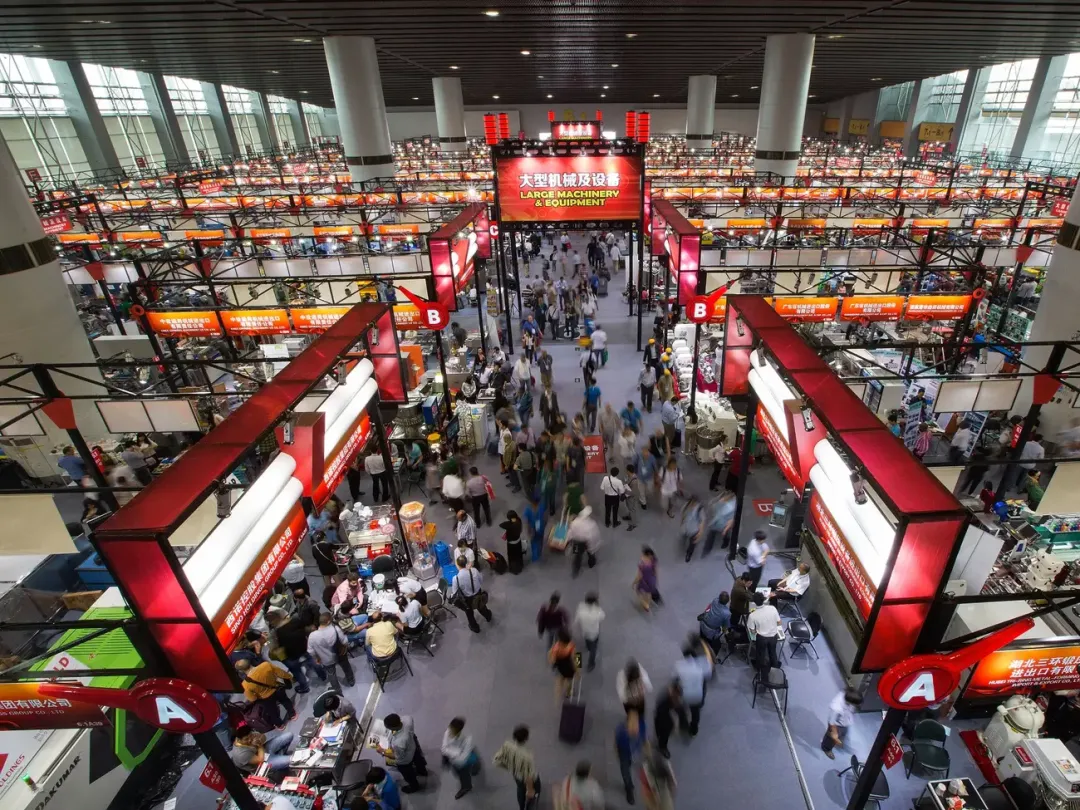
A Chinese business expo with a variety of suppliers
7 Factors to Consider When Choosing Suppliers
Manufacturing Capabilities and Expertise
- Assess production capacity and equipment
- Evaluate experience in your specific product category
- Check for relevant certifications (ISO, CE, FDA, etc.)
Quality Control Processes
- Inquire about quality management systems
- Ask for recent quality control reports
- Understand their approach to defects and returns
Pricing and Payment Terms
- Compare quotes from multiple suppliers
- Understand their pricing structure (MOQ, volume discounts)
- Negotiate favorable payment terms (T/T, L/C, etc.)
Communication and Responsiveness
- Assess English proficiency or availability of translators
- Evaluate response times to inquiries
- Check their willingness to provide detailed information
Compliance and Ethical Standards
- Verify compliance with labor laws and environmental regulations
- Check for social responsibility certifications
- Assess workplace conditions through audits or visits
Intellectual Property Protection
- Discuss their policies on IP protection
- Evaluate willingness to sign NDAs
- Investigate their history with other clients’ IP
Logistics and Shipping Capabilities
- Understand their experience with international shipping
- Assess their relationships with freight forwarders
- Evaluate their ability to meet your delivery timelines
How to Avoid Scams When Sourcing from China
Verify Supplier Credentials
- Use third-party verification services like Sinosure or China Checkup
- Check business licenses and registration details
- Verify bank account information matches the company name
Conduct Thorough Due Diligence
- Request and verify references from past clients
- Conduct background checks using local resources
- Use services like Global Sources’ Verified Supplier program
Be Wary of Red Flags
- Avoid suppliers pushing for large upfront payments
- Be cautious of prices significantly below market rates
- Question suppliers unwilling to provide detailed company information
Implement Secure Payment Practices
- Use secure payment methods like Letters of Credit for large orders
- Consider using Alibaba Trade Assurance for added protection
- Start with smaller orders to build trust before large investments
Conduct Factory Audits and Visits
- Arrange in-person visits to verify factory existence and capabilities
- Use third-party inspection services for unbiased assessments
- Conduct surprise audits to ensure consistent quality and practices
Protect Your Intellectual Property
- File for patents and trademarks in China before sharing designs
- Use detailed contracts and non-disclosure agreements
- Limit the information shared with potential suppliers initially
Stay Informed About Common Scams
- Educate yourself on typical fraudulent practices in China sourcing
- Join forums and groups to learn from others’ experiences
- Regularly update your knowledge on new scam tactics
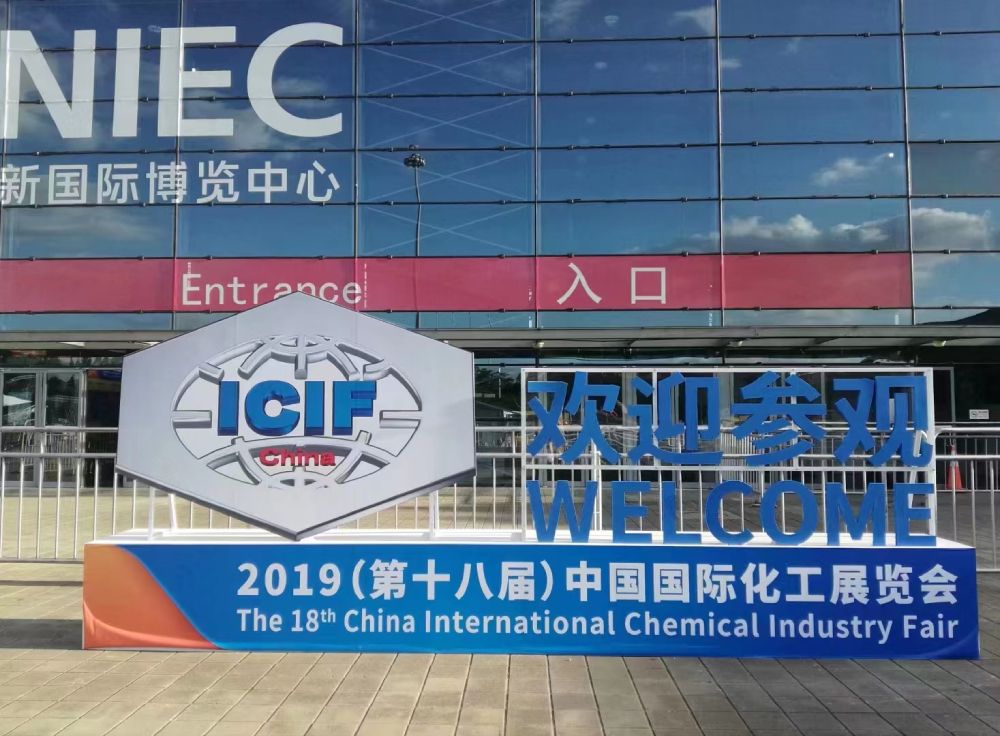 CAMAL present at China International Chemical Industry Fairs
Manufacturer vs Trader: Strategic Sourcing and Procurement Decisions
Trading vs. Manufacturing, Which Business to Start?
Manufacturers
- Directly produce goods in their own facilities
- Have control over production processes and quality
- Often specialize in specific product categories
Traders
- Act as intermediaries between buyers and manufacturers
- May work with multiple factories across various product lines
- Often provide additional services like quality control and logistics
Key Distinctions
- Production Capabilities: Manufacturers have direct control, traders coordinate
- Product Knowledge: Manufacturers typically have deeper technical expertise
- Pricing Structure: Manufacturers may offer lower prices, traders add a markup
- Flexibility: Traders often provide more product variety and customization options
Pros and Cons of Working with Manufacturers
Pros
Direct Communication
- Speak directly with the production team
- Faster resolution of technical issues
Potentially Lower Prices
- No middleman markup
- Opportunity for better margins
Quality Control
- Direct oversight of production processes
- Easier to implement specific quality standards
Customization
- Greater flexibility for product modifications
- Access to R&D capabilities for new product development
Intellectual Property Protection
- Better control over your designs and specifications
- Reduced risk of IP leakage
Cons
Language and Cultural Barriers
- May have limited English proficiency
- Potential for miscommunication on technical details
Minimum Order Quantities (MOQs)
- Often higher MOQs compared to traders
- Can be challenging for smaller businesses or new importers
Limited Product Range
- Usually specialize in specific product categories
- May need to work with multiple manufacturers for diverse product lines
Export Procedures
- May have less experience with international shipping and documentation
- Potential for delays or errors in the export process
Customer Service
- Might prioritize production over customer relations
- Potentially less responsive to inquiries or concerns

A Manufacturing Worker
Pros and Cons of Working with Traders
Pros
Product Variety
- Access to a wide range of products from different manufacturers
- Easier to source multiple product categories
Language and Communication
- Often have better English skills
- More experienced in dealing with international clients
Lower MOQs
- Can often accommodate smaller order quantities
- Ideal for businesses starting out or testing new products
Export Expertise
- Experienced in handling international shipping and documentation
- Can navigate customs and regulatory requirements more efficiently
Value-Added Services
- May offer quality control, packaging, and logistics services
- Can provide market insights and trend information
Cons
Higher Prices
- Additional markup for trader services
- Potentially lower profit margins for the buyer
Less Control Over Production
- No direct oversight of manufacturing processes
- Potential for quality inconsistencies
Limited Technical Knowledge
- May not have in-depth understanding of product specifications
- Could lead to miscommunication of technical requirements
Intellectual Property Risks
- Increased exposure of your designs to multiple parties
- Potentially higher risk of IP infringement
Lack of Transparency
- May not disclose actual manufacturer information
- Difficult to verify factory conditions or practices
How to Make the Right Choice?
Assess Your Needs
- Consider order volumes, product complexity, and customization requirements
- Evaluate your in-house capabilities for managing suppliers
Conduct Thorough Research
- Use platforms like Alibaba or Global Sources to compare options
- Verify credentials and certifications of potential partners
Request Samples and Quotations
- Compare quality and pricing from both manufacturers and traders
- Assess communication and responsiveness during this process
Consider Long-Term Strategy
- Traders may be beneficial for market entry or product testing
- Direct manufacturer relationships could be advantageous for scaling and customization
Evaluate Total Cost of Ownership
- Factor in all costs, including quality control, shipping, and potential risks
- Consider the value of additional services provided by traders

CAMAL representatives speaking to manufacturers
OEM vs ODM: What’s the Difference?
What’s OEM?
Definition and Role
- OEM stands for Original Equipment Manufacturer
- Produces products or components based on designs provided by another company
- Focuses primarily on manufacturing and production processes
Key Characteristics
- Client retains intellectual property rights and creative control
- Manufactures according to client’s specific design and quality requirements
- Often involves higher levels of customization and product differentiation
Advantages
- Greater control over product design and specifications
- Ability to create unique, branded products
- Flexibility in design modifications and improvements
- Potential for stronger brand identity and market differentiation
Challenges
- Higher upfront costs for research and development
- Longer time-to-market due to design and development phases
- Requires more resources for product design and specification
Example
- Apple designs its products but outsources manufacturing to companies like Foxconn
What’s ODM?
Definition and Role
- ODM stands for Original Design Manufacturer
- Designs and manufactures products that can be rebranded and sold by other companies
- Offers a complete package from design to production
Key Characteristics
- ODM retains intellectual property rights for the product design
- Provides pre-designed products that can be slightly modified or rebranded
- Often offers a faster route to market with existing designs
Advantages
- Lower upfront costs for the client company
- Faster time-to-market with pre-existing designs
- Access to established manufacturing processes and expertise
- Economies of scale leading to potentially lower unit costs
Challenges
- Less control over product design and specifications
- Potential for similar products in the market from competitors
- Limited product differentiation opportunities
Example
- Companies like Qualcomm designing and producing microchips used by various electronics brands

Automated equipments at work
How to Choose Between OEM and ODM for My Business Needs?
Factors to Consider
- Available budget and resources
- Desired level of product customization and uniqueness
- Time-to-market requirements
- Intellectual property considerations
- Long-term brand strategy
When to Choose OEM
- You have a unique product design or concept
- Brand differentiation is crucial for your market strategy
- You want full control over product specifications and quality
- You have the resources for product development and design
When to Choose ODM
- You need to bring products to market quickly
- Budget constraints limit investment in product design
- You’re entering a new market and want to test products
- Your focus is on marketing and distribution rather than product development
Hybrid Approaches
- Some businesses use a combination of OEM and ODM strategies
- ODM for certain components, OEM for final assembly and customization
Industry-Specific Considerations
- Electronics: ODM common for standard components, OEM for innovative products
- Fashion: ODM popular for fast fashion, OEM for high-end or unique designs
- Automotive: OEM prevalent for major manufacturers, ODM for aftermarket parts
Future Trends
- Increasing use of technology in both OEM and ODM processes
- Growing importance of sustainability and ethical manufacturing in choosing partners
- Rise of flexible manufacturing models that blend OEM and ODM approaches

One of CAMAL’s supplier factories that manufacturers high-quality lifting machinery
Effective Procurement and Sourcing with Chinese Suppliers
How to Overcome Language and Cultural Barriers?
Understanding the Language Landscape
- Recognize the diversity of Chinese languages (Mandarin, Cantonese, Shanghainese, etc.)
- Acknowledge that Simplified Chinese (Mandarin) is not universally used
- Be aware that Chinese is a logo-syllabic language without an alphabet
Navigating Cultural Differences
- Respect the vertical hierarchy in Chinese business culture
- Understand the concept of “face-saving” and its importance
- Recognize the complex decision-making process in Chinese businesses
- Appreciate the value of punctuality and gift-giving in Chinese culture
Overcoming Communication Challenges
- Be patient and ensure clear understanding through repetition and verification
- Use simple, concrete language and visual aids (drawings, sketches) when possible
- Be aware of the “ke yi” phenomenon where direct “no” is often avoided
Practical Solutions
- Hire a professional translator or interpreter
- Consider employing a transport company with English-speaking drivers for dual benefits
- Invest time in learning basic Chinese phrases and cultural etiquette
- Use clear communication channels and tools
Tips for Effective Communication in the Workplace
Language Strategies
- Communicate in simple, concrete language
- Use documents with drawings, pictures, or Chinese translations
- Avoid jargon, slang, or colloquial expressions
- Practice active listening and confirm understanding
Cultural Awareness
- Research Chinese business culture before initiating contact
- Be mindful of cultural sensitivities and customs
- Adapt your communication style to align with Chinese preferences
- Show respect for hierarchy and decision-making processes
Leveraging Technology and Resources
- Utilize translation apps or software for basic communication
- Implement clear channels for written communication (e.g., email, messaging apps)
- Consider video conferencing for face-to-face interactions when possible
- Use project management tools to track communications and agreements
Professional Support
- Engage a sourcing agent or company familiar with Chinese business practices
- Hire a professional translator for important negotiations or document translations
- Consider cultural training for your team members involved in Chinese sourcing

Diversity of employees in a Chinese company
Tips for Building Strong Supplier Relationships
Invest in Personal Connections
- Allocate time for relationship-building before diving into business discussions
- Participate in social activities and informal meetings with suppliers
- Show interest in Chinese culture and customs
Demonstrate Respect and Trust
- Be punctual for meetings and respectful of Chinese business etiquette
- Follow through on commitments and promises
- Show appreciation for your supplier’s efforts and time
Adapt Your Negotiation Style
- Understand that negotiations may take longer in Chinese business culture
- Be patient and prepared for multiple rounds of discussions
- Focus on long-term relationship building rather than short-term gains
Implement Clear Communication Protocols
- Establish regular check-ins or status updates
- Use written confirmations for important decisions or agreements
- Develop a system for addressing and resolving misunderstandings promptly
Cultural Bridge-Building
- Learn and use basic Chinese greetings and phrases
- Participate in cultural exchanges or events
- Consider offering Chinese language training for your team
Quality Control and Feedback
- Implement a clear quality control process
- Provide constructive feedback in a culturally appropriate manner
- Recognize and appreciate good performance and improvements
Long-Term Perspective
- View the relationship as a long-term partnership
- Be open to mutual growth and learning opportunities
- Consider joint initiatives or projects to strengthen the relationship
 CAMAL representative at China Trade Week Kenya
Evaluating Supplier Quality and Reliability for Strategic Sourcing and Procurement
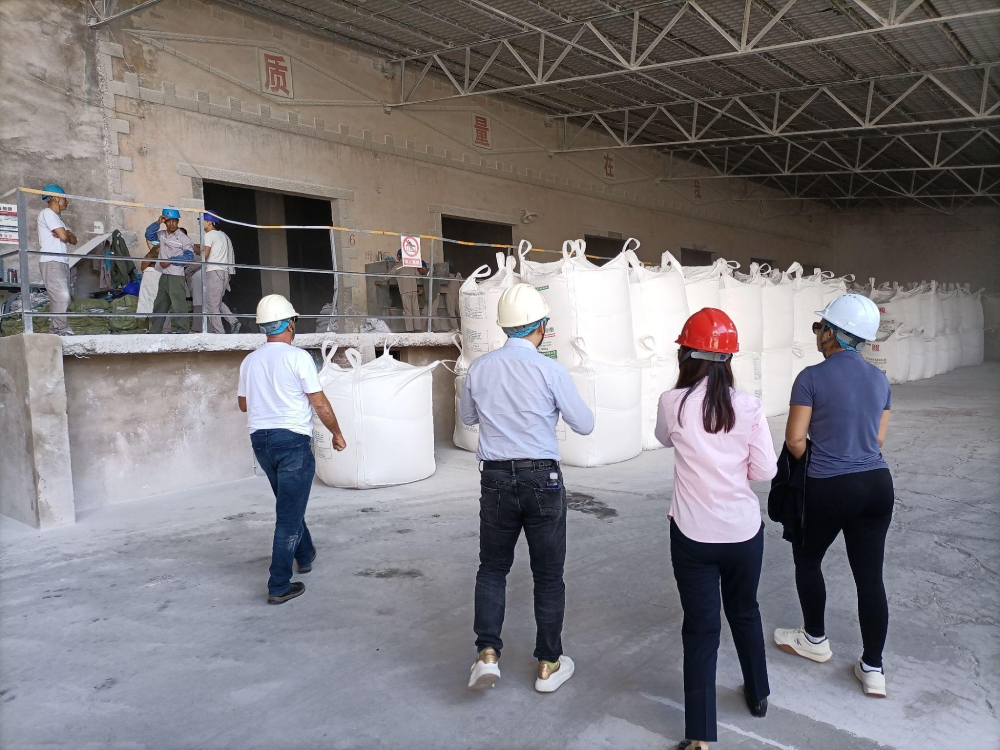
CAMAL checking product quality
Background Checks on Suppliers
Initial Online Research
- Use business directories like Alibaba, Global Sources, and Made-in-China
- Check supplier profiles, ratings, and customer reviews
- Look for verified supplier badges or certifications on these platforms
Legal and Financial Verification
- Request and verify business licenses, tax registration, and export licenses
- Use third-party verification services like Sinosure or China Checkup
- Check the supplier’s credit report and financial stability
Company Registration Verification
- Verify the company’s registration with the local Administration for Industry and Commerce (AIC)
- Cross-check registered capital, business scope, and legal representatives
- Ensure the company name matches across all documents and platforms
Intellectual Property Checks
- Search for any patent or trademark infringements
- Verify if the supplier has the necessary rights to manufacture and export the products
Customer References
- Request and contact references from past or current clients
- Ask about product quality, delivery times, and overall satisfaction
On-Site Verification
- Conduct a physical visit to the supplier’s facility if possible
- If unable to visit personally, consider hiring a third-party inspection service
Social Compliance and Ethical Standards
- Check for certifications like ISO, BSCI, or SA8000
- Verify compliance with labor laws and environmental regulations
Supplier Capability Assessment Beyond the Basics
Production Capacity
- Evaluate the supplier’s maximum output and current capacity utilization
- Assess their ability to handle your order volumes and potential growth
Technical Expertise
- Review the supplier’s experience in manufacturing your specific product
- Assess their R&D capabilities and willingness to innovate
Quality Control Processes
- Examine their quality management systems and certifications (e.g., ISO 9001)
- Understand their inspection procedures and defect rates
Equipment and Technology
- Evaluate the age and condition of their manufacturing equipment
- Assess their use of modern technologies in production and management
Sample Evaluation
- Request product samples to assess quality and craftsmanship
- Compare samples from multiple suppliers
Supply Chain Management
- Understand their raw material sourcing practices
- Assess their ability to manage sub-suppliers effectively
Export Experience
- Verify their experience in exporting to your country
- Assess their knowledge of relevant regulations and documentation
Communication and Responsiveness
- Evaluate their English proficiency and communication skills
- Assess their responsiveness to inquiries and willingness to provide information
Financial Stability
- Review financial statements if available
- Assess their ability to handle large orders and potential risks
Customization Capabilities
- Evaluate their flexibility in modifying products to meet your specifications
- Assess their willingness to accommodate special requests
The Importance of Effective China Supplier Audit Management

A woman with a clipboard walking in factory managing supplier audit
Regular Performance Reviews
- Establish key performance indicators (KPIs) for quality, delivery, and service
- Conduct quarterly or bi-annual performance evaluations
Quality Control Inspections
- Implement pre-production, during production, and pre-shipment inspections
- Consider using third-party inspection services for unbiased assessments
On-Site Audits
- Conduct annual or bi-annual factory audits
- Include surprise audits to ensure consistent practices
Social Compliance Audits
- Regularly assess adherence to labor laws and ethical standards
- Verify ongoing compliance with relevant certifications
Financial Health Monitoring
- Periodically review the supplier’s financial stability
- Monitor for any signs of financial distress or changes in ownership
Continuous Improvement Programs
- Work with suppliers to identify areas for improvement
- Implement joint initiatives to enhance quality, efficiency, or innovation
Risk Assessment and Mitigation
- Regularly update risk assessments for each supplier
- Develop contingency plans for potential disruptions
Communication and Relationship Management
- Maintain open lines of communication
- Schedule regular meetings or video calls to discuss performance and address issues
Technology Integration
- Implement supplier management software for better tracking and analysis
- Encourage suppliers to adopt digital tools for improved transparency
Environmental and Sustainability Audits
- Assess suppliers’ environmental practices and sustainability initiatives
- Encourage adoption of eco-friendly processes and materials
Intellectual Property Protection
- Regularly review and update non-disclosure agreements
- Monitor for any unauthorized use of your designs or technology
Benchmarking
- Compare supplier performance against industry standards
- Encourage suppliers to achieve and maintain best-in-class status
Supply Chain Risk Management in China

Workers checking supplies’ safety to avoid any risks
Mitigating China Supply Chain Issues In 2024
Geopolitical and Trade Tensions
- Ongoing disputes between China and other countries (e.g., US, EU) leading to tariffs and trade restrictions
- Potential for sudden policy changes affecting foreign businesses
Regulatory and Compliance Challenges
- Complex and frequently changing regulatory environment
- Strict industry regulations that can disrupt supply chains
Quality Control Issues
- Inconsistent product quality leading to defects and potential recalls
- Reactive management approach of many Chinese suppliers to quality issues
Supply Chain Disruptions
- Natural disasters impacting production and logistics
- COVID-19 related disruptions, including lockdowns and worker shortages
Intellectual Property Concerns
- Risk of IP theft and counterfeiting
- Challenges in protecting proprietary designs and technology
Supplier Reliability and Financial Stability
- Potential for missed deadlines, communication breakdowns, and quality inconsistencies
- Risk of supplier insolvencies, particularly in manufacturing and electronics sectors
Logistical Challenges
- Transportation delays, port congestion, and infrastructure limitations
- Increased shipping costs and unpredictable delivery times
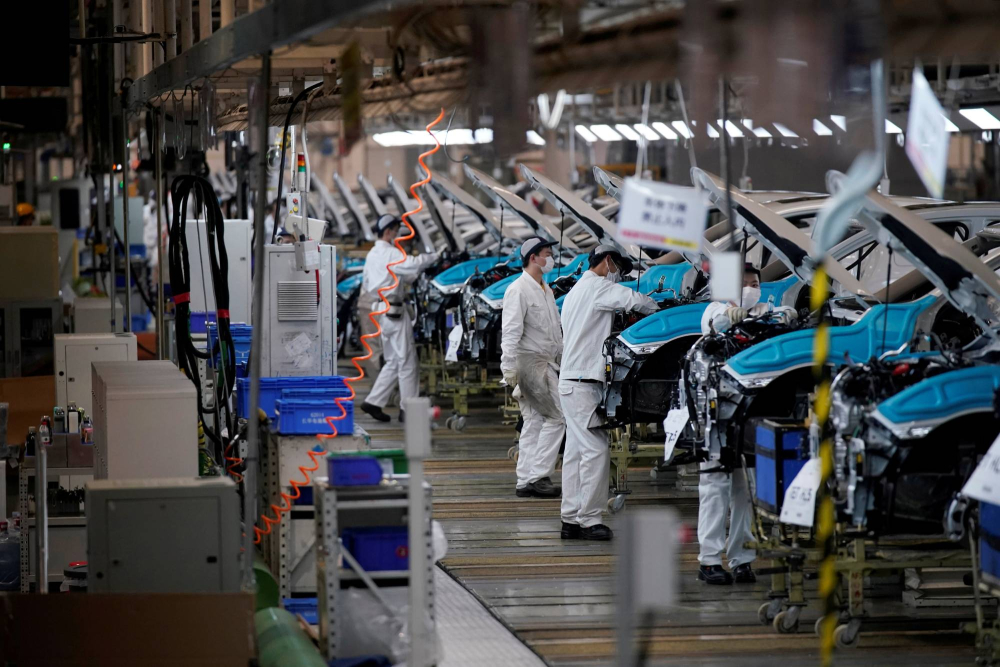
Chinese workers in a factory making supplies for export
How Contingency and Mitigation Plans Differ in Management
Diversification of Supplier Base
- Develop relationships with suppliers in multiple locations within China and other countries
- Reduce reliance on single-source suppliers to mitigate regional disruptions
Proactive Contract Management
- Negotiate contracts that incentivize suppliers to resolve issues quickly
- Include clauses that address potential risks and outline responsibilities
Enhanced Quality Control Measures
- Implement rigorous quality assurance processes, including pre-production and in-production inspections
- Consider on-site quality control personnel or third-party inspection services
Supply Chain Visibility and Monitoring
- Invest in technology for real-time tracking and monitoring of supply chain activities
- Develop early warning systems for potential disruptions
Financial Risk Management
- Regularly assess the financial health of key suppliers
- Consider supply chain finance solutions to support critical suppliers
Inventory Management Strategies
- Maintain strategic inventory buffers for critical components
- Implement just-in-case inventory practices for high-risk items
Intellectual Property Protection
- Register trademarks and patents in China
- Limit sharing of sensitive information and use robust non-disclosure agreements
Local Expertise and Cultural Understanding
- Develop in-house expertise or partner with local consultants familiar with Chinese business practices
- Invest in cultural training for team members involved in supplier relationships
Scenario Planning and Stress Testing
- Regularly conduct scenario analyses to identify potential risks and develop response strategies
- Perform stress tests on the supply chain to identify vulnerabilities

Trusted international inspection companies ensuring quality and compliance in China’s manufacturing sector
Third-Party Risk Management Key Elements
Supplier Verification Services
- Engage third-party services for comprehensive background checks on potential suppliers
- Utilize platforms like Sinosure or China Checkup for verification of business licenses and credentials
Quality Inspection and Auditing
- Partner with independent quality control firms for regular factory audits and product inspections
- Consider surprise audits to ensure consistent practices
Supply Chain Mapping and Risk Analysis
- Work with specialized firms to map your entire supply chain, including sub-tier suppliers
- Utilize advanced analytics tools to identify and assess potential risks
Compliance and Regulatory Support
- Engage legal and compliance experts familiar with Chinese regulations
- Stay updated on changing laws and standards affecting your industry
Logistics and Transportation Management
- Partner with experienced freight forwarders and logistics providers
- Utilize their expertise in navigating customs and managing international shipments
Environmental and Social Governance (ESG) Audits
- Engage specialized firms to conduct ESG audits of your supply chain
- Ensure compliance with international standards and avoid reputational risks
Cybersecurity and Data Protection
- Work with IT security firms to protect sensitive data and communications with suppliers
- Implement robust cybersecurity measures across your supply chain
Market Intelligence and Forecasting
- Utilize third-party market research and intelligence services
- Stay informed about industry trends, geopolitical developments, and potential disruptions
Crisis Management Support
- Engage crisis management consultants to develop and refine response plans
- Conduct regular drills and simulations to test and improve these plans

CAMAL conversing with Polysius Cement visitors
Quality Control Measures in Chinese Manufacturing
How to Craft a Comprehensive Quality Control Plan
Define Clear Quality Requirements
- Specify detailed product specifications and tolerances
- Establish acceptance criteria for each production stage
- Develop a comprehensive checklist for inspections
Create a Multi-Stage Quality Control Process
- Implement incoming quality control (IQC) for raw materials
- Conduct in-process quality control (IPQC) during production
- Perform outgoing quality control (OQC) before shipment
Utilize Advanced Technology
- Implement automated inspection systems where possible
- Use data analytics to identify trends and potential issues
- Integrate quality management software for real-time monitoring
Establish a Feedback Loop
- Develop a system for collecting and analyzing customer feedback
- Use this information to continuously improve quality control processes
- Regularly update quality control plans based on findings
Tie Payments to Quality Performance
- Link final payments to successful quality inspections
- Implement a system of penalties for quality failures
- Offer incentives for consistently high-quality production

A manager is asking workers questions to check progress
How to Conduct Effective Safety Audits and Inspections
Pre-Production Inspections
- Verify raw material quality before production begins
- Check production equipment and processes for compliance
- Review production plans and schedules
During Production Inspections
- Conduct random checks throughout the manufacturing process
- Use statistical sampling methods (e.g., AQL) for larger production runs
- Verify adherence to approved production methods and standards
Final Product Inspections
- Perform thorough checks on finished products
- Test functionality, appearance, and packaging
- Ensure compliance with all specified requirements
Factory Audits
- Assess overall manufacturing capabilities and processes
- Evaluate quality management systems and documentation
- Check compliance with legal and regulatory requirements
Utilize Third-Party Inspection Services
- Engage professional quality control companies for unbiased assessments
- Ensure inspectors are familiar with your specific product requirements
- Use their expertise to identify potential quality issues early

Two workers conducting workplace safety audits
How to Overcome Barriers to Quality Culture
Bridge the Language Gap
- Employ bilingual staff or professional translators
- Use visual aids and clear, simple language in communications
- Provide translated documentation for all quality requirements
Understand and Respect Cultural Differences
- Recognize the importance of “face” in Chinese business culture
- Be aware of different attitudes towards quality and specifications
- Adapt communication styles to be more effective in a Chinese context
Establish Clear Communication Channels
- Designate specific points of contact for quality-related issues
- Implement regular video conferences or on-site visits
- Use project management tools for transparent communication
Provide Cultural Training
- Offer cultural awareness training for your team
- Educate Chinese partners on your company’s quality expectations
- Foster mutual understanding and respect
Develop Long-Term Relationships
- Invest time in building trust with Chinese manufacturers
- Show commitment to long-term partnerships
- Recognize and reward consistent quality performance

A meeting for establishing clear communication channels
Navigating Chinese Sourcing and Export Regulations
What are Chinese Export Regulations?
Export Control Law (ECL)
- Implemented on December 1, 2020, as China’s first comprehensive export control legislation
- Regulates the export of sensitive materials and technologies from China
- Applies to both Chinese exporters and foreign customers
Controlled Items
- Dual-use items, military products, nuclear materials, and other goods related to national security
- Technologies listed in the Catalogue of Technologies Prohibited or Restricted from Export
Regulatory Bodies
- Ministry of Commerce (MOFCOM) plays a key role in formulating and implementing export control policies
- State Council and other relevant departments also involved in export control administration
Licensing System
- Exporters must obtain licenses for controlled items and technologies
- End-user and end-use certificates required for certain exports
Extraterritorial Application
- ECL extends Chinese jurisdiction beyond national territory
- Applies to organizations and individuals outside China in certain circumstances
A Short Guide to Chinese Customs Regulations
Understanding Customs Procedures
- Familiarize with the Chinese Customs Law and related regulations
- Stay updated on changes in customs policies and procedures
Classification and Valuation
- Ensure correct classification of goods under the Harmonized System (HS) codes
- Accurately declare the value of goods to avoid penalties
Export Licensing
- Obtain necessary export licenses for controlled items
- Verify if your products fall under restricted or prohibited categories
Customs Declarations
- Submit accurate and complete customs declarations
- Use authorized customs brokers if necessary
Inspection and Quarantine
- Comply with inspection and quarantine requirements for certain goods
- Obtain relevant certificates from China Inspection and Quarantine (CIQ) if required
Record Keeping
- Maintain detailed records of export transactions for at least 3 years
- Be prepared for potential customs audits
Internal Compliance Programs
- Establish and maintain internal compliance programs as recommended by MOFCOM guidelines
- Train staff on export control regulations and compliance procedures

Chemical elements in Chinese
China Customs Clearance Guide for International Passengers
Export License
- Obtain and provide export licenses for controlled items
- Follow the procedures outlined in the “Guidelines for Procedures” released by MOFCOM
Customs Declaration Form
- Complete the customs declaration form accurately
- Include all required information such as HS codes, quantity, and value
Commercial Invoice
- Provide a detailed commercial invoice with product descriptions, quantities, and values
Packing List
- Prepare a comprehensive packing list detailing the contents of each package
Bill of Lading or Airway Bill
- Obtain the appropriate shipping document from the carrier
Certificate of Origin
- Secure a Certificate of Origin if required by the importing country or for preferential tariff treatment
End-User and End-Use Certificates
- Submit end-user and end-use certificates for controlled items
- Ensure end-users commit to not altering the end-use or transferring to third parties without permission
Technology Export Contract
- For technology exports, provide the technology export contract for review
- Ensure the contract complies with Chinese technology export regulations
Other Specific Certificates
- Obtain any product-specific certificates required (e.g., quality certificates, health certificates)
Export Control Internal Compliance Program (ICP) Documentation
- Maintain documentation of your company’s ICP as per MOFCOM guidelines
- This may facilitate licensing processes for compliant exporters

CAMAL is having a meeting with customers
Negotiating Payment Terms With Chinese Suppliers
What are the most popular Chinese payment methods?
Mobile Payments
- Dominant payment method in China, used by 92% of consumers
- Key players: Alipay and WeChat Pay
- Features QR code-based transactions
Digital Wallets
- Alipay: Integrated with other apps like Didi (ride-hailing) and Taobao (e-commerce)
- WeChat Pay: Part of the WeChat ecosystem, offering social media and other services
UnionPay Cards
- China’s domestic bank card system
- Largest card network globally with 7 billion cards in circulation
- Includes both credit and debit cards
International Credit Cards
- Limited acceptance compared to domestic options
- Major brands: Visa, Mastercard, American Express
- Primarily used in high-end hotels, international chains, and tourist areas
Bank Transfers
- Common for B2B transactions
- Often used for larger payments or when dealing with traditional businesses
Cash
- Declining in popularity but still accepted
- Mainly used in rural areas or by older generations

Bank of China Building
8 Tips for Negotiating Better Payment Terms With Suppliers
Understand Chinese Business Culture
- Emphasize long-term relationships over short-term gains
- Be prepared for extended negotiations and multiple rounds of discussions
Offer Flexible Payment Options
- Propose a mix of payment methods to accommodate Chinese preferences
- Consider integrating popular Chinese payment gateways like Alipay or WeChat Pay
Staged Payments
- Negotiate milestone-based payments for larger contracts
- Balance risk between upfront payments and delivery-based installments
Currency Considerations
- Discuss whether payments will be in RMB or foreign currency
- Consider currency hedging strategies for long-term contracts
Payment Security
- Propose secure payment methods like Letters of Credit for large transactions
- Discuss escrow services for added protection
Volume Discounts
- Offer incentives for bulk purchases or long-term commitments
- Structure tiered pricing based on order volume or contract duration
Credit Terms
- Be cautious with offering credit, especially for new relationships
- Start with shorter credit terms and extend gradually as trust builds
Negotiate Favorable Exchange Rates
- For cross-border transactions, discuss who bears the exchange rate risk
- Consider including exchange rate clauses in the contract

A worker negotiating better payment terms
10 Essential Elements of a Contract
Payment Terms and Schedule
- Clearly define payment amounts, currencies, and due dates
- Specify accepted payment methods and any associated fees
Product or Service Specifications
- Provide detailed descriptions of goods or services
- Include quality standards and any relevant certifications
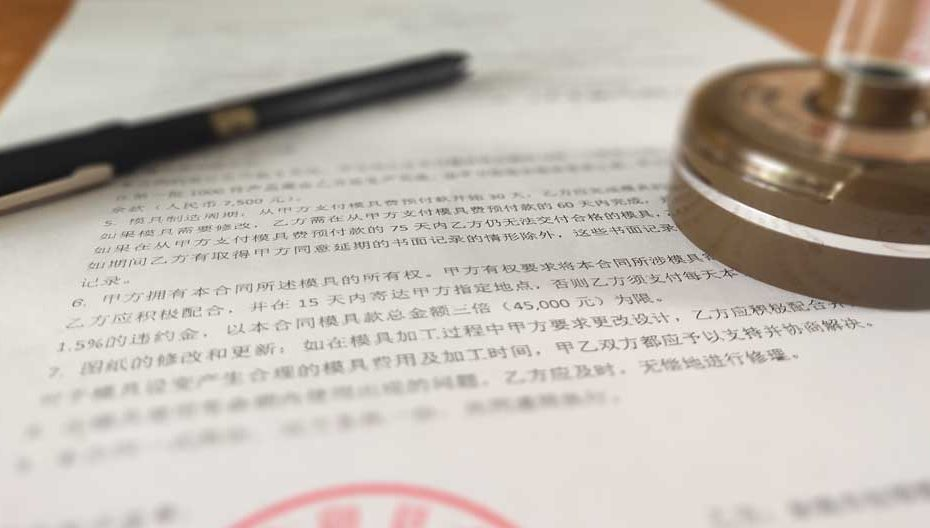
A contract in Chinese
Delivery Terms
- Specify Incoterms for international shipments
- Include delivery timelines and penalties for delays
Intellectual Property Protection
- Include clauses to protect your IP rights
- Specify confidentiality agreements and non-disclosure terms
Dispute Resolution
- Define the governing law and jurisdiction for disputes
- Consider including arbitration clauses for international contracts
Force Majeure Clause
- Define circumstances that would excuse non-performance
- Include provisions for pandemics or geopolitical events
Quality Control and Inspection
- Specify quality control procedures and standards
- Include terms for product inspections and acceptance criteria
Warranty and Liability
- Clearly state warranty terms and duration
- Define liability limits and indemnification clauses
Termination Conditions
- Specify conditions under which either party can terminate the contract
- Include notice periods and any penalties for early termination
Language and Translation
- Specify the official language of the contract
- Consider including both Chinese and English versions, stating which prevails in case of discrepancies
 We’ve inspected the factory firsthand and guarantee that our bulk cement tanker trailer offers unmatched durability and reliability for your toughest conditions
Shipping Solutions for Sourcing from China
8 Key Factors to Consider When Choosing a Logistics Partner
Experience and Expertise
- Look for partners with proven track records in international shipments
- Seek industry-specific knowledge and expertise
- Evaluate their understanding of complex European logistics landscapes
Global Network and Infrastructure
- Assess the reach and coverage of their transportation network
- Consider their strategic hubs, warehouses, and distribution centers
- Evaluate their ability to offer flexibility and scalability
Customs Clearance Expertise
- Verify knowledge of European customs procedures and trade agreements
- Check for established relationships with customs authorities
- Assess their ability to navigate import/export documentation
Technology and Innovation
- Look for advanced tracking systems and digital platforms
- Evaluate their use of data analytics for route optimization
- Consider their ability to provide real-time visibility of shipments

A boat filled with cargos
Reliability and Responsiveness
- Check customer testimonials and service level agreements (SLAs)
- Assess their communication channels and responsiveness
- Evaluate their track record for on-time deliveries
Cost-Effectiveness and Value-Added Services
- Look beyond initial quotes to assess overall value
- Consider additional services like warehousing or supply chain consulting
- Evaluate their potential to drive long-term business growth
Safety Management
- Check their safety training programs and regulations
- Assess their track record in handling goods securely
Flexibility and Scalability
- Evaluate their ability to adapt to changing business needs
- Assess their capacity to handle fluctuations in demand

CAMAL staff having a dinner with customers
Pros and Cons of Different Methods of Parcel Shipping
Air Freight
- Pros: Fast delivery from China, ideal for high-value or time-sensitive goods. Goods reach global markets quickly, making it suitable for urgent shipments.
- Cons: Higher cost, especially for long distances from China. Limited capacity for large or bulky shipments due to aircraft size restrictions.
Sea Freight
- Pros: Cost-effective for large volumes, especially when shipping from China. Suitable for heavy or bulky goods and long-distance international routes.
- Cons: Slower transit times, with potential delays due to weather or port congestion in China or destination countries.
Road Freight
- Pros: Flexible, door-to-door service within China and neighboring countries. Ideal for short to medium distances with quick delivery options.
- Cons: Subject to traffic, road conditions, and border delays, especially in regions around China. Limited capacity compared to sea freight for larger shipments.
Rail Freight
- Pros: Environmentally friendly, cost-effective for long distances across Eurasia. Reliable for transporting goods from China to Europe or neighboring regions.
- Cons: Limited network coverage outside of China’s major trade routes. Potential delays at border crossings, especially in multi-country transit.
Multimodal Transport
- Pros: Combines the benefits of different shipping modes, optimizing cost and speed for goods from China. Flexible options for complex shipping routes.
- Cons: More complex coordination, with potential delays at transfer points within China or in transit countries. Requires careful planning to avoid disruptions.

Chinese workers at express delivery service
Incoterms Explained
Incoterms Overview
- International Commercial Terms standardized by the International Chamber of Commerce
- Define responsibilities of buyers and sellers in international transactions
Key Incoterms
- EXW (Ex Works): Buyer handles all transportation from the seller’s factory in China.
- FOB (Free on Board): Seller delivers goods to the port in China; buyer takes over from there.
- CIF (Cost, Insurance, and Freight): Seller covers shipping and insurance to the destination port.
- DDP (Delivered Duty Paid): Seller manages all costs, including customs, until delivery to the buyer.
Freight Forwarding Services
- Transportation: Coordinating carriers to move goods from China to the destination.
- Customs and Documentation: Handling paperwork for Chinese export and destination country import regulations.
- Warehousing: Providing storage solutions in China or abroad.
- Insurance: Offering coverage for goods during transit.
Choosing a Freight Forwarder
- Network and Reach: Ensure they have strong connections in China and globally.
- Licenses: Verify they are certified in China.
- Technology: Look for real-time tracking and communication tools.
- Expertise: Choose a forwarder experienced in your industry.
Benefits of Using a Freight Forwarder
- Network and Reach: Ensure they have strong connections in China and globally.
- Licenses: Verify they are certified in China.
- Technology: Look for real-time tracking and communication tools.
- Expertise: Choose a forwarder experienced in your industry.
Challenges in Freight Forwarding
- Carrier Coordination: Managing multiple carriers to ensure timely delivery.
- Customs Regulations: Navigating Chinese and destination country laws.
- Delays: Handling unexpected disruptions like port congestion.
- Documentation: Ensuring all paperwork is accurate and compliant.
Strategic Sourcing for Reducing Import Costs
 A Chinese port where cargos are being shipped
The better way to reduce shipping costs
Look at Shipping Data
- Check Your Shipping Info: Review your shipping details from China to find areas where you’re spending too much.
- Use Simple Tools: Use easy tools to spot cost-saving opportunities.
- Track Shipments: Keep an eye on shipments from China with basic tracking systems.
Combine Shipments
- Group Shipments Together: Send multiple orders to the same place to save money.
- Share Shipping Costs: Work with others to share shipping expenses from China.
- Fill Up Containers: Make sure containers are fully loaded to get the most out of your shipping costs from China.
Pick the Right Shipping Method
- Choose the Best Transport: Select the most cost-effective way to ship based on how far and fast you need the goods from China.
- Mix Transport Methods: Combine air, road, rail, and sea transport to get the best deal when shipping from China.
- Plan Smart Routes: Use a mix of transport methods to find the cheapest and fastest shipping routes from China.
Plan Your Supply Chain
- Review How You Ship: Look at your shipping process from China to find ways to save money.
- Place Warehouses Wisely: Store goods in locations that make shipping faster and cheaper.
- Plan Efficient Routes: Map out the best routes to avoid extra costs when shipping from China.
Manage Your Inventory
- Keep Just Enough Stock: Use just-in-time inventory to lower storage costs when buying from China.
- Store Smartly: Place goods in the right spots to reduce unnecessary shipping.
- Predict Your Needs: Accurately forecast what you need to avoid costly last-minute orders from China.
Use Technology
- Manage Orders with Simple Tools: Use basic order management systems to keep things running smoothly.
- Plan Routes with Software: Use easy-to-use tools to find the best shipping routes from China.
- Get Real-Time Updates: Use current traffic and weather info to make better shipping decisions from China.
Improve Packaging
- Choose Better Packaging: Use packaging that protects your goods but also saves on space and weight.
- Save with Cost-Effective Materials: Opt for packaging that lowers your shipping costs from China.
- Try Eco-Friendly Options: Look into sustainable packaging from China that could save you money in the long run.
Optimize Warehouses
- Organize Your Warehouse: Improve the layout of your China-based warehouses to save space and time.
- Use Automation: Implement simple automation to speed up warehouse work and cut costs.
- Reduce Waste: Apply lean methods to cut down on waste and make your warehouse more efficient.

Cargo boxes on a shore of a port
How We Negotiate with Strong Suppliers in China
Simplifying Our Vendors
- Consolidating Vendors: In China, we’ve reduced the number of logistics vendors we use. This makes our operations simpler and gives us more power to negotiate better prices.
Talking to Carriers
- Negotiating Rates: We work closely with carriers in China, sharing clear information about how much we ship and how often. This helps us get better shipping rates.
Building Long-Term Relationships
- Strong Partnerships: We’ve built strong, long-lasting relationships with our suppliers and logistics partners in China. By working together, we’ve found ways to make our supply chain more efficient.
Getting Discounts for Big Orders
- Volume Discounts: We’ve negotiated discounts by agreeing to buy and ship larger amounts from Chinese suppliers. By combining orders from different parts of our business, we’ve secured better prices.
Setting Up Rewarding Contracts
- Performance Contracts: We use contracts with our Chinese suppliers that include rewards for meeting certain goals. These contracts also help us save money by improving efficiency over time.
Competitive Bidding
- Checking Prices: We regularly compare prices from different suppliers in China to make sure we’re getting the best deals. This helps us negotiate better terms.
Extra Services
- Getting More for Less: We’ve negotiated with our Chinese suppliers to get extra services at no additional cost. Often, this involves them helping us improve our processes.
Better Payment Terms
- Payment Flexibility: We’ve worked out better payment terms with our Chinese suppliers, including discounts for early payments. This helps us manage our cash flow more effectively.
 CAMAL Group visiting Kenya
How to leverage Free Trade Agreements
Understanding China’s Trade Agreements
China has Free Trade Agreements (FTAs) with several countries, including:
- ASEAN countries: Brunei, Cambodia, Indonesia, Laos, Malaysia, Myanmar, the Philippines, Singapore, Thailand, and Vietnam
- Australia
- New Zealand
- South Korea
- Chile
- Pakistan
- Switzerland
- Iceland
- Costa Rica
- Georgia
- Mauritius
If you are sourcing from China and your country has a trade agreement with China, you can benefit from reduced tariffs and smoother trade processes.
Tariff Classification
- Classify Goods Accurately: Make sure your products are classified correctly under the Harmonized System (HS) codes when importing from China. Accurate classification helps you take full advantage of lower tariffs available under these agreements.
Origin Rules Compliance
- Follow Origin Rules: Understand and comply with the rules of origin specific to your country’s trade agreement with China. Proper documentation is crucial for proving the origin of your goods and receiving preferential tariff treatment.
Utilizing Free Trade Zones (FTZs)
- Explore FTZ Benefits: In China, Free Trade Zones offer opportunities to defer, reduce, or even eliminate customs duties. Consider using FTZs for assembly or manufacturing, which could enhance your cost savings.

A Free Trade Zone in China
Duty Drawback Programs
- Recover Duties: If you’re importing materials from China and re-exporting them, use duty drawback programs to recover duties paid. Setting up a system to track these imports can maximize your savings.
Trade Agreement Certificates
- Get the Right Certificates: Ensure you obtain and maintain the necessary certificates of origin for goods sourced from China. These certificates are vital for securing preferential treatment under FTAs.
Tariff Engineering
- Optimize Tariff Costs: Analyze the design and components of your products to see if modifications could lead to lower tariffs. Adjusting product specifications could help you benefit from more favorable tariff classifications under China’s trade agreements.
Monitoring Policy Changes
- Stay Informed: Keep up with changes in China’s trade policies and any updates to existing FTAs. Adjust your sourcing strategies promptly to take advantage of new opportunities or respond to potential challenges.

CAMAL representatives visiting Algeria and checking the production process
Handling Disputes with Chinese Suppliers
10 Common Disputes in China Sourcing
Refusal to Ship Paid Goods
- Suppliers may withhold shipment despite receiving payment
- Often linked to insufficient upfront payment or unclear contract terms
Quality Issues
- Manufacturers trying to force acceptance of substandard products
- Discrepancies between samples and mass-produced items

Inside a Chinese factory
Export Packaging Problems
- Suppliers failing to prepare proper packaging for scheduled quality inspections
- Can lead to shipping delays and increased costs
Disappearance of Suppliers
- Suppliers vanishing with tooling and/or inventory
- Often occurs with long-standing relationships that suddenly turn sour
Lack of Supply Chain Transparency
- Suppliers refusing to provide crucial supply chain information
- Can be a sign of hidden subcontracting or quality issues
Intellectual Property Infringement
- Suppliers selling the buyer’s products as their own
- Unauthorized use of designs or technology
Misrepresentation of Manufacturing Capabilities
- Trading companies posing as manufacturers
- Lack of transparency about production processes
Unexpected Price Increases
- Suppliers demanding higher prices after agreements are made
- Often tied to raw material cost fluctuations or market changes
Tooling Transfer Issues
- Current suppliers blocking the transfer of mold tooling to new suppliers
- Can hinder efforts to change manufacturers
Confidentiality Concerns
- Worries about keeping sensitive product information secure
- Risk of designs being leaked to competitors
10 Conflict Resolution Strategies
 Two businesswomen shaking hands
Clear Communication
- Use simple, concrete language to avoid misunderstandings
- Employ visual aids like drawings or sketches when discussing specifications
Documentation
- Maintain detailed records of all communications and agreements
- Use written confirmations for important decisions
Face-to-Face Meetings
- Arrange in-person visits to address serious issues
- Leverage cultural understanding to navigate negotiations effectively
Mediation
- Consider using a neutral third party to mediate disputes
- Can be particularly effective in cross-cultural business relationships
Gradual Escalation
- Start with friendly discussions before moving to formal complaints
- Escalate to legal action only as a last resort
Leverage Local Networks
- Utilize connections with local business associations or chambers of commerce
- They can often provide valuable advice or mediation services
Flexibility in Problem-Solving
- Be open to creative solutions that address both parties’ concerns
- Consider long-term relationship benefits when negotiating
Use of Escrow Services
- For new relationships, consider using escrow services for payments
- Provides security for both buyer and supplier
Regular Performance Reviews
- Implement scheduled reviews to address issues before they escalate
- Use data-driven approaches to discuss performance objectively
Cultural Sensitivity
- Understand and respect Chinese business culture
- Be aware of concepts like “face” and their importance in negotiations
10 Tips for Successful Product Returns Management
Clear Return Policy
- Establish a detailed return and replacement policy in initial contracts
- Specify conditions, timeframes, and responsibilities for both parties
Quality Control Measures
- Implement rigorous pre-shipment inspections
- Use third-party quality control services for unbiased assessments
Documentation of Defects
- Thoroughly document any quality issues with photos and detailed descriptions
- Provide clear evidence to support return or replacement claims
Negotiation of Remedies
- Discuss various options: full returns, partial refunds, or replacements
- Consider the cost-effectiveness of each option for both parties
Shipping Logistics
- Clearly define who bears the cost of return shipping
- Arrange for efficient and trackable shipping methods
Timely Communication
- Notify suppliers of issues immediately upon discovery
- Maintain regular updates throughout the resolution process
Partial Shipment Acceptance
- Consider accepting partial shipments if only some products are defective
- Negotiate terms for replacing or refunding the defective portion
Root Cause Analysis
- Work with suppliers to identify the cause of quality issues
- Implement preventive measures for future productions
Rework Options
- Explore possibilities for reworking defective products locally
- Can be more cost-effective than full returns in some cases
Legal Recourse
Understand Your Legal Rights
Contact Your Embassy: If you face a problem with a Chinese supplier, your first step should be to contact your country’s embassy in China. They can provide guidance on legal rights and help mediate disputes.
Seek Legal Advice
- Consult China-Based Law Firms: For specific legal advice, consider reaching out to reputable China-based law firms such as King & Wood Mallesons, JunHe LLP, or Zhong Lun Law Firm. These firms specialize in international trade and can guide you through Chinese legal processes.
Legal Action as a Last Resort
- Exhaust Other Options First: Before pursuing legal action, try to resolve the issue through negotiation or mediation. Legal action in China can be complex and time-consuming, so it should be considered only after other methods have failed.

CAMAL staff having dinner with customers
Choosing the Right Company for Your Construction Project
- As we’ve seen in a previous list of top 10 steel manufacturers, while all these companies are industry leaders, they each have their unique strengths and specialties.
- For instance, Baosteel is renowned for its comprehensive range of stainless steel products, including flat and long steel products, while Tsingshan Holding Group is a leader in producing cost-effective, high-quality stainless steel.
- When choosing stainless steel products, factors such as specific project needs, technological requirements, and sustainability goals should be considered.
- Additionally, the global presence of these companies, their after-sales support, and their commitment to innovation are crucial factors in determining the best fit for any industrial application.
 CAMAL’s procuring check on YouTube
How can CAMAL help you manage your China Sourcing?
✅ Do you spend too much time finding the right manufacturers in China?
✅Do you face difficulties in communicating your requirements to suppliers in China?
✅ Do your products often need customization just for you?
✅ Do you wish someone could help you with end-to-end procurement, so you can focus on growing your business?
If your answer is YES, Reduce Your China Sourcing Headaches, Contact Us Now for a FREE Consultation
✅CAMAL: Quality Factories = Quality Products = Happy Customers✅

CAMAL’s Road Roller showcase
